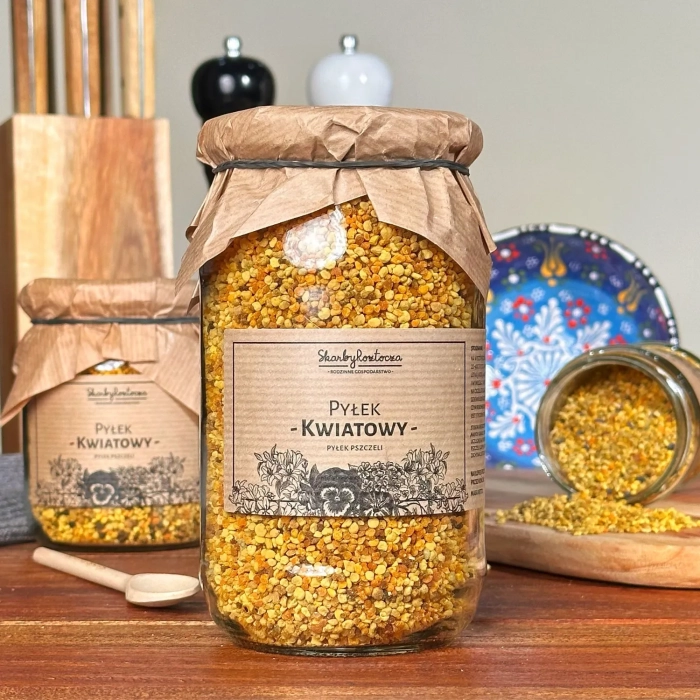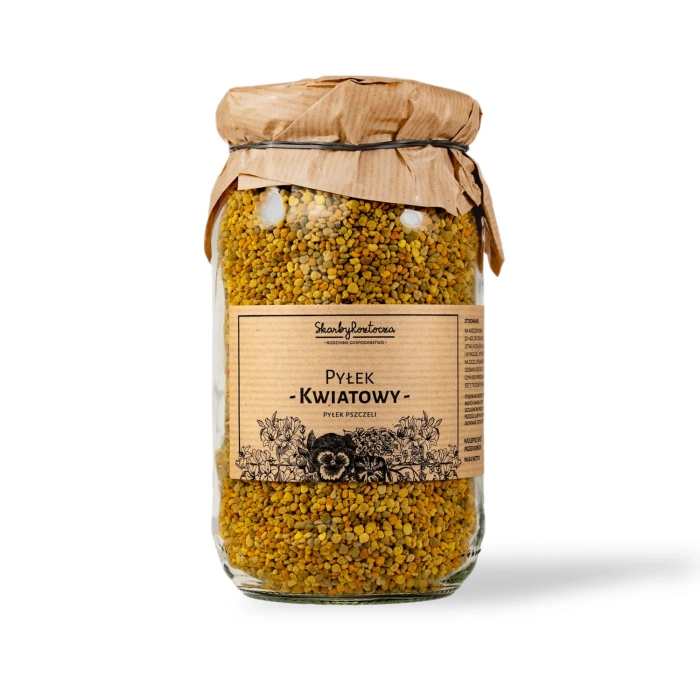
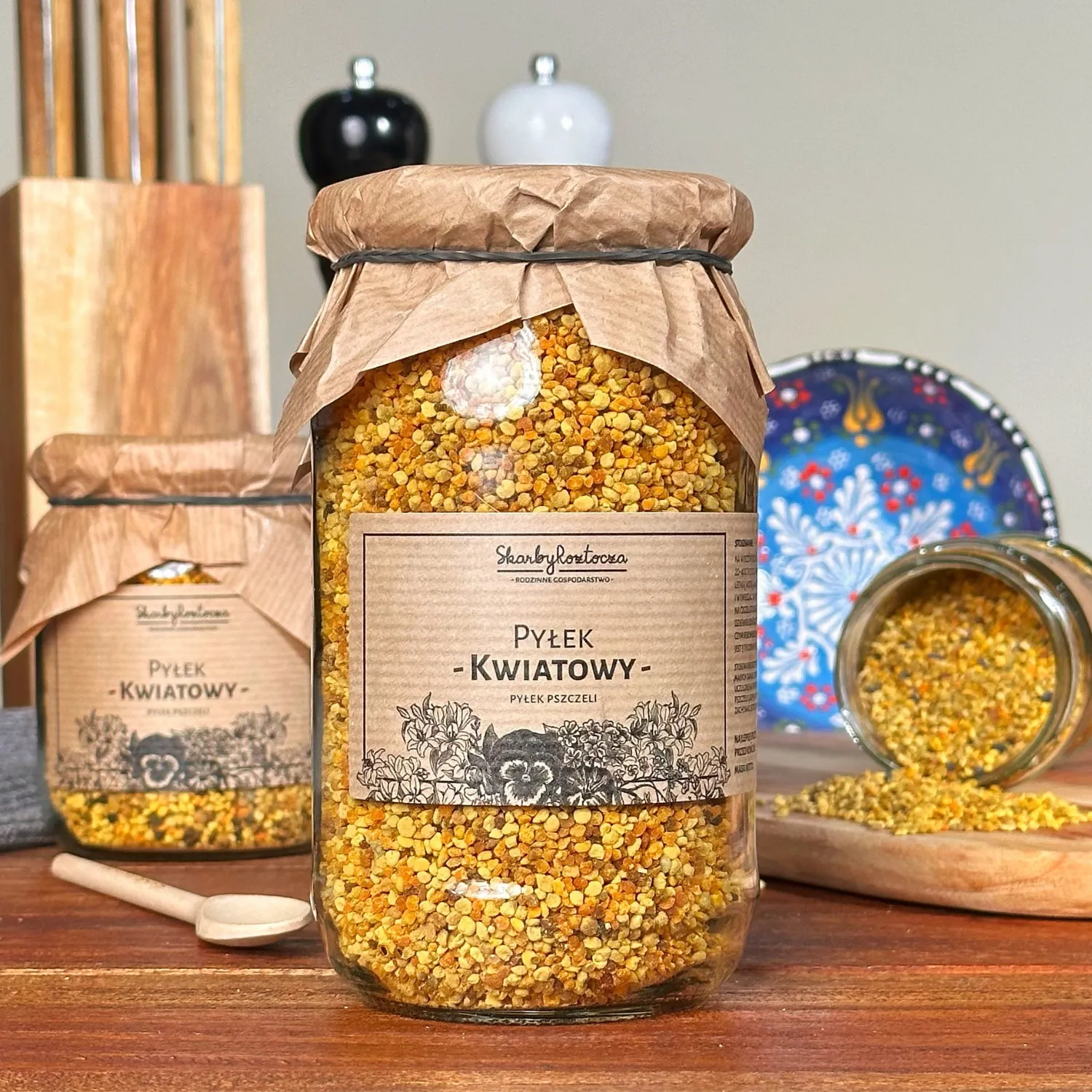
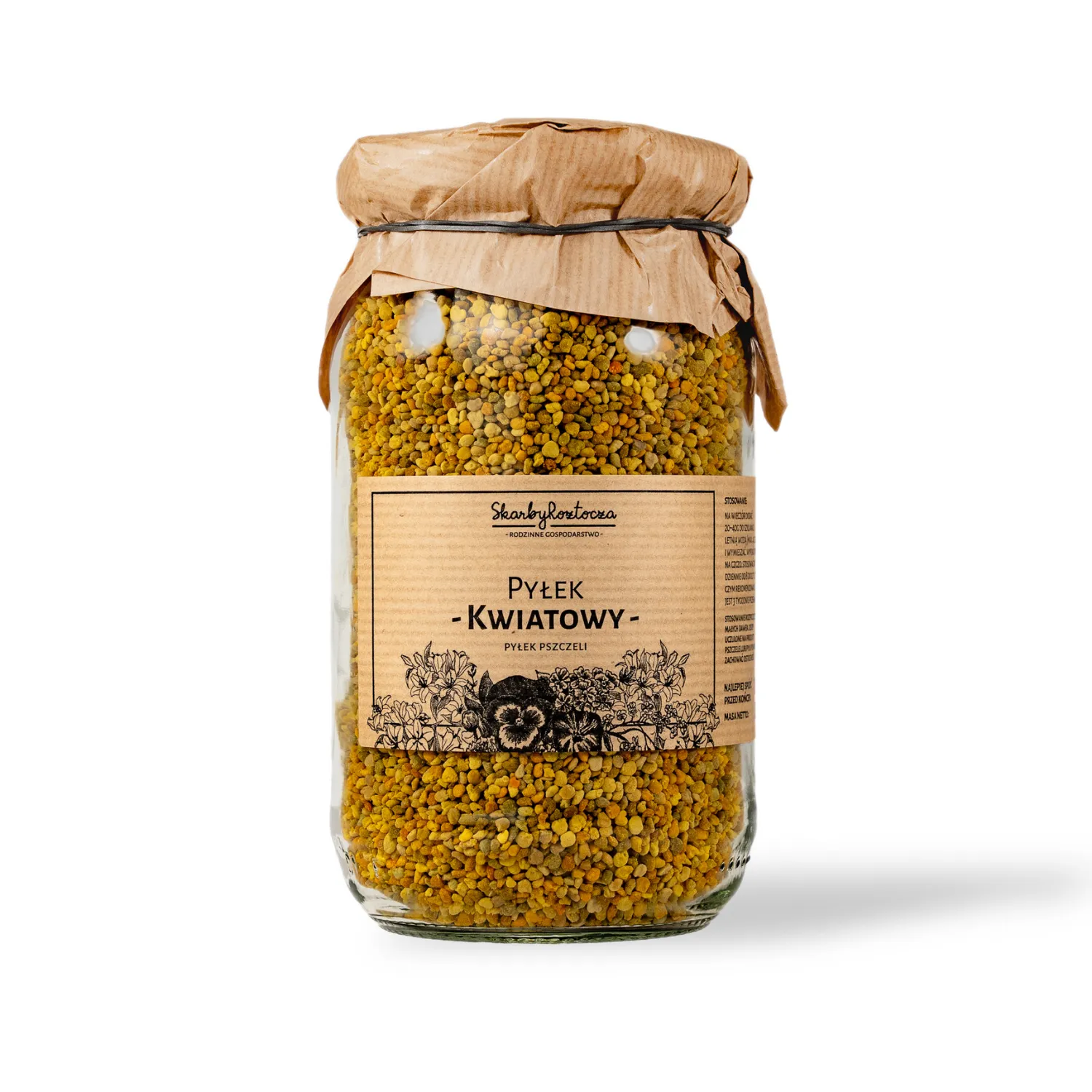
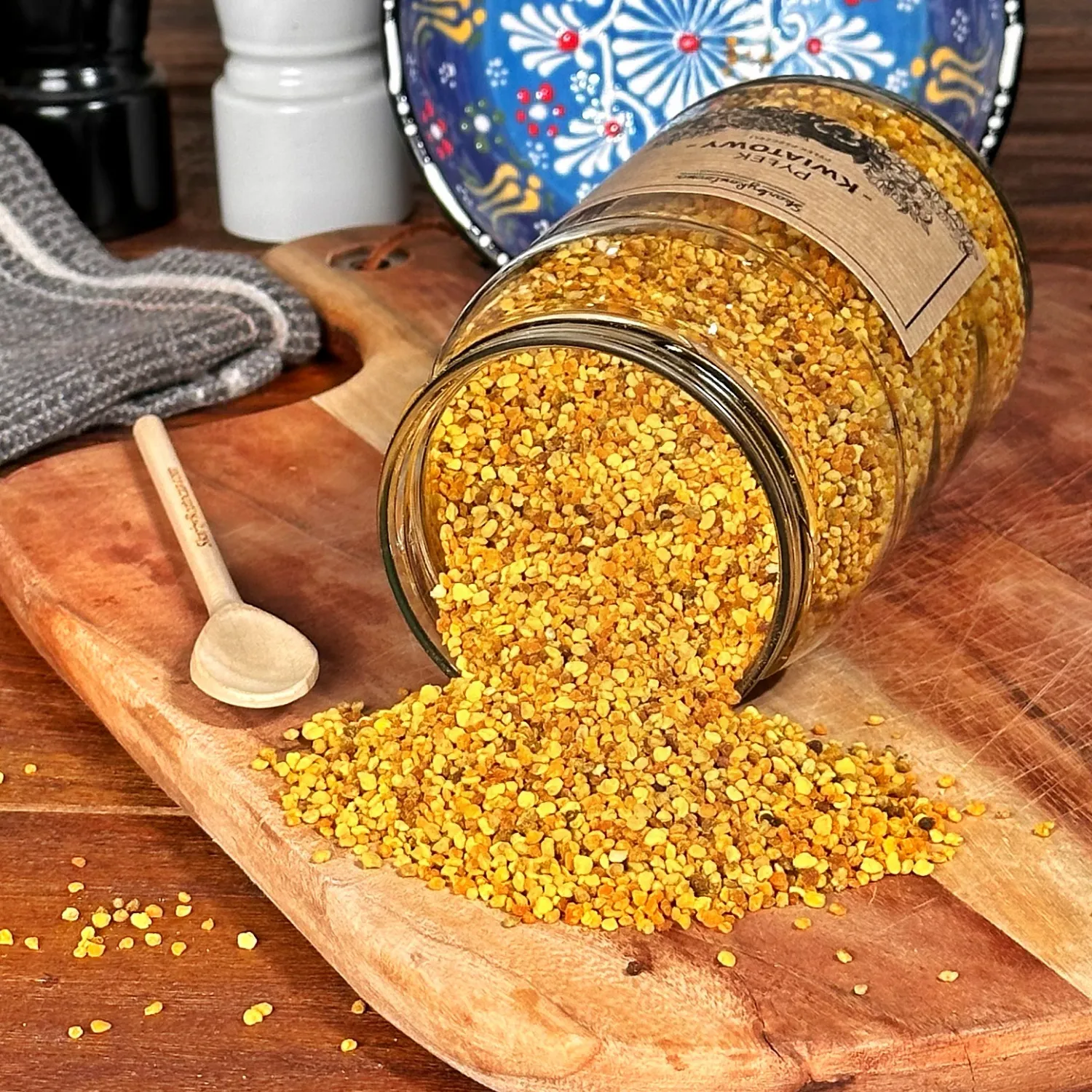
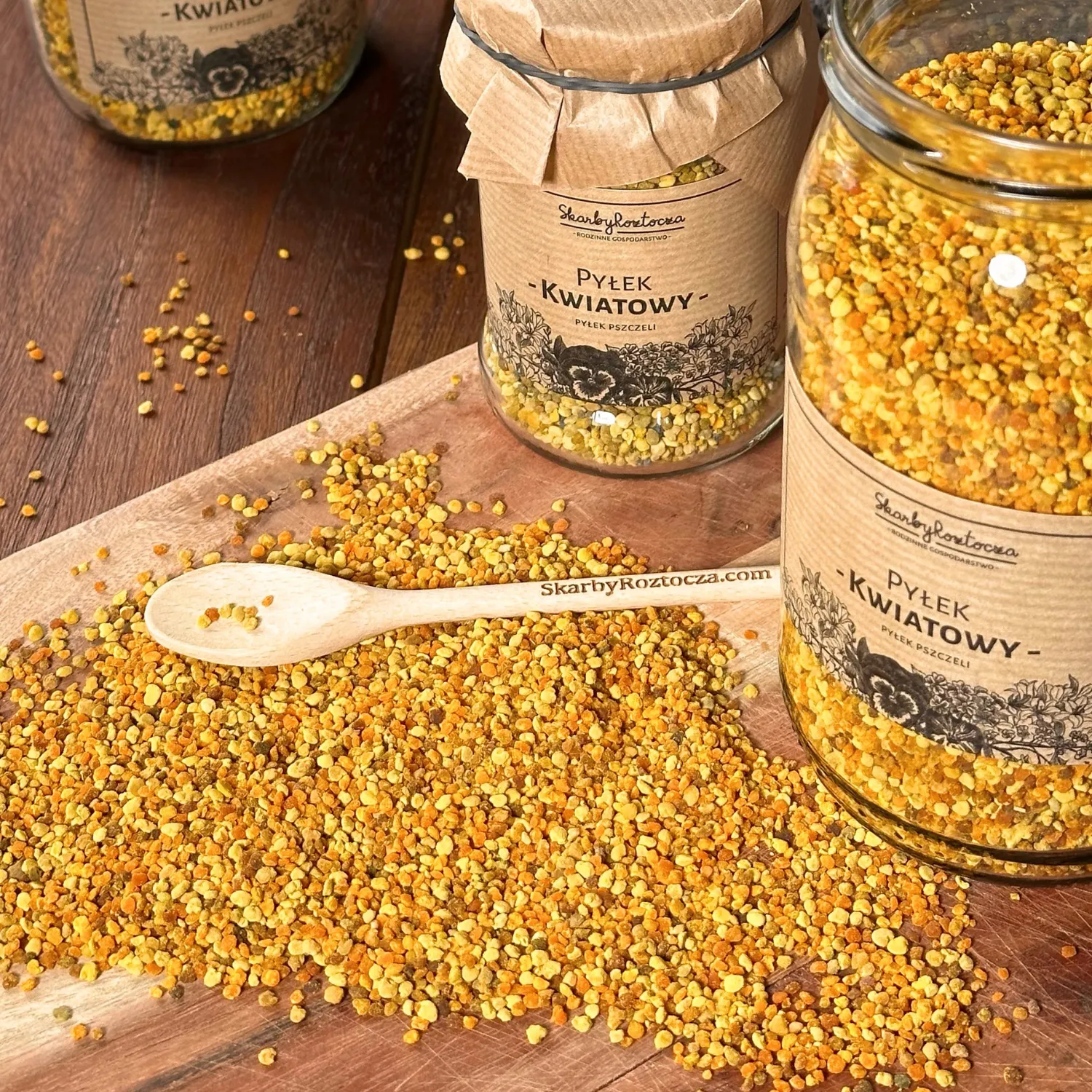
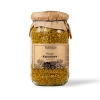
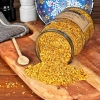
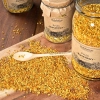
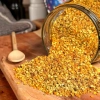
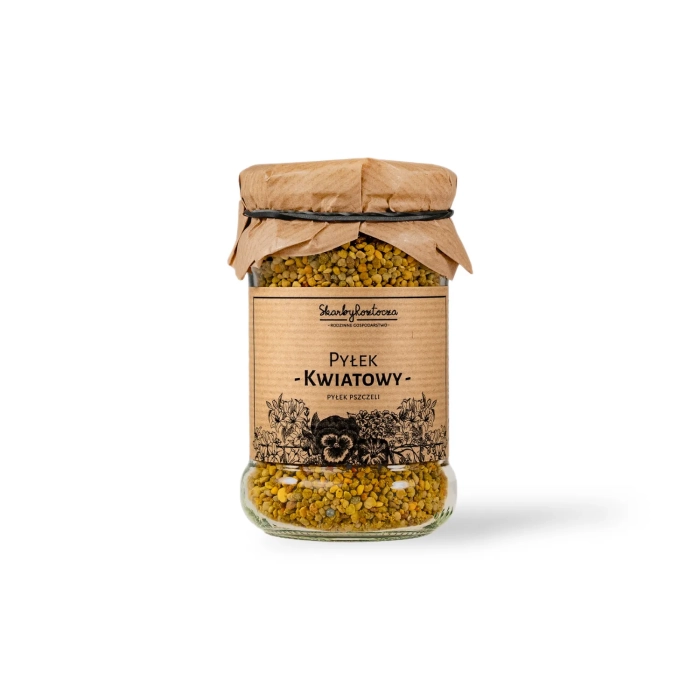
Flower pollen - 500g
Leave feedback on the product

 A bee multivitamin – a natural source of protein, minerals and amino acids
 It builds immunity – it strengthens the body brilliantly and gives energy
(1 business day)
Shipping cost for the selected product
The shipping cost applies to this product (in the selected variant - if applicable). It may change after adding other products to the cart.
Loyalty program
Collect points for buying products included in the loyalty program.
Redeem Virtual Bees for rewards in the Loyalty program products section.
Collect points for buying products included in the loyalty program. Start collecting Virtual Bees
Make an account or log in. You will find information about your collected Virtual Bees in the customer account.
Variants:
-
Price €10.00
-
Price €7.50
Description
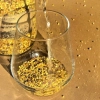
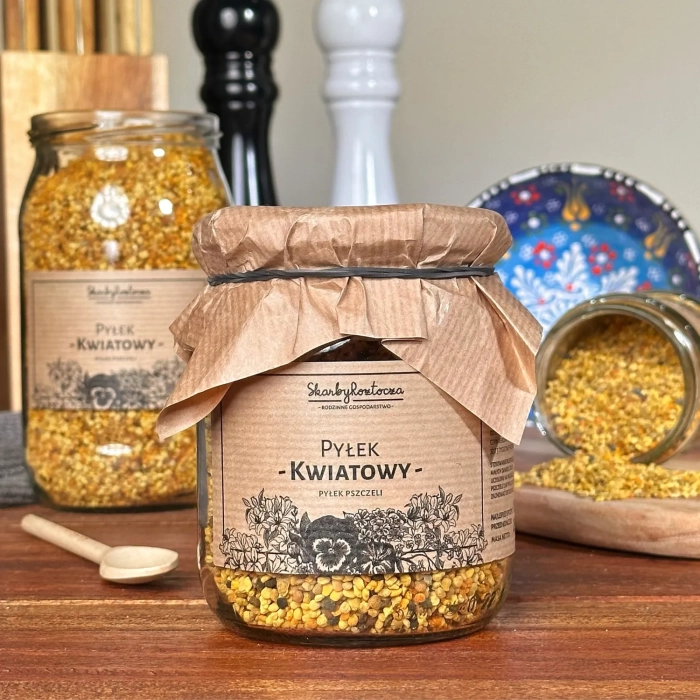
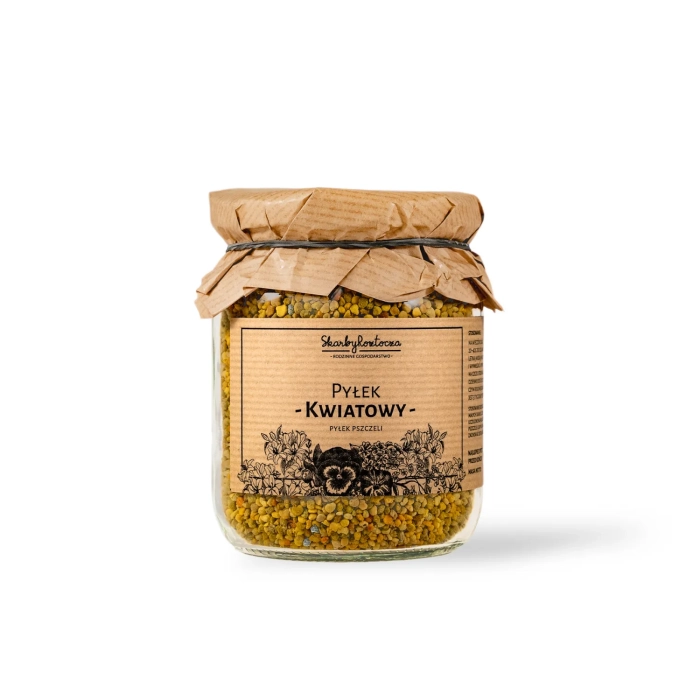
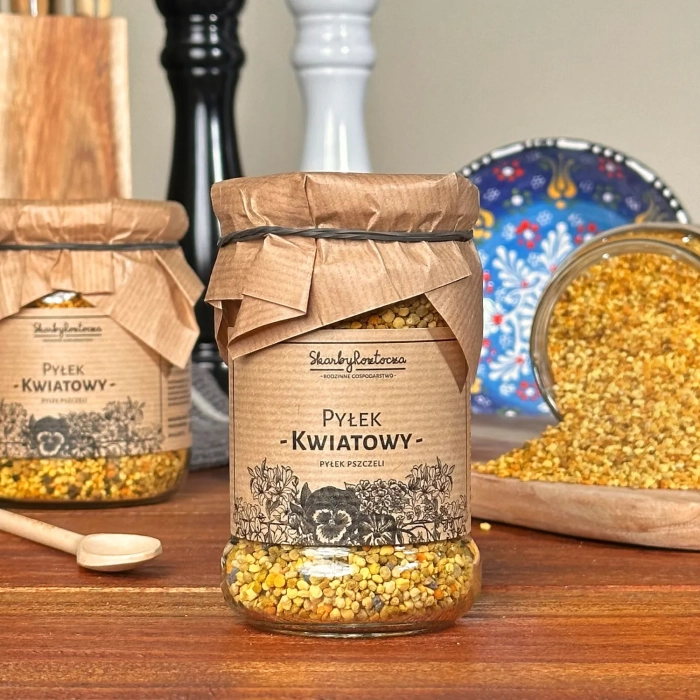
Flower pollen - a natural multivitamin from the bees!
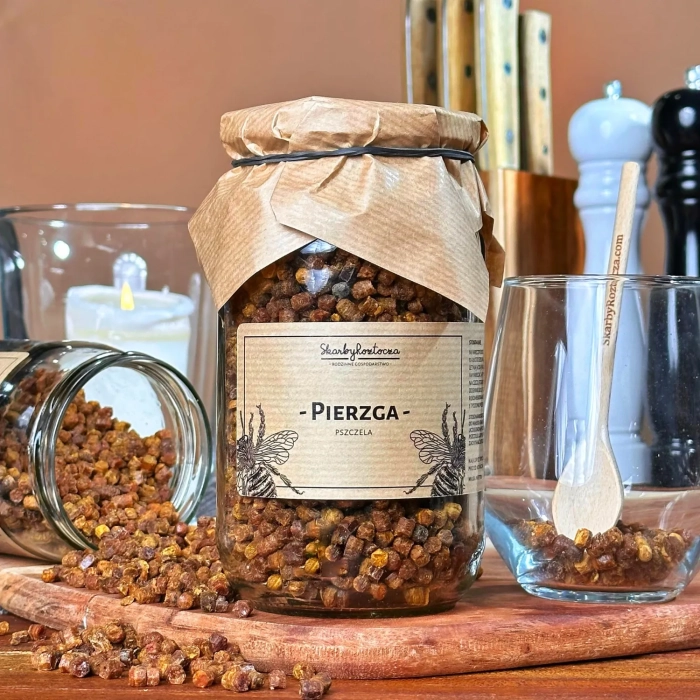
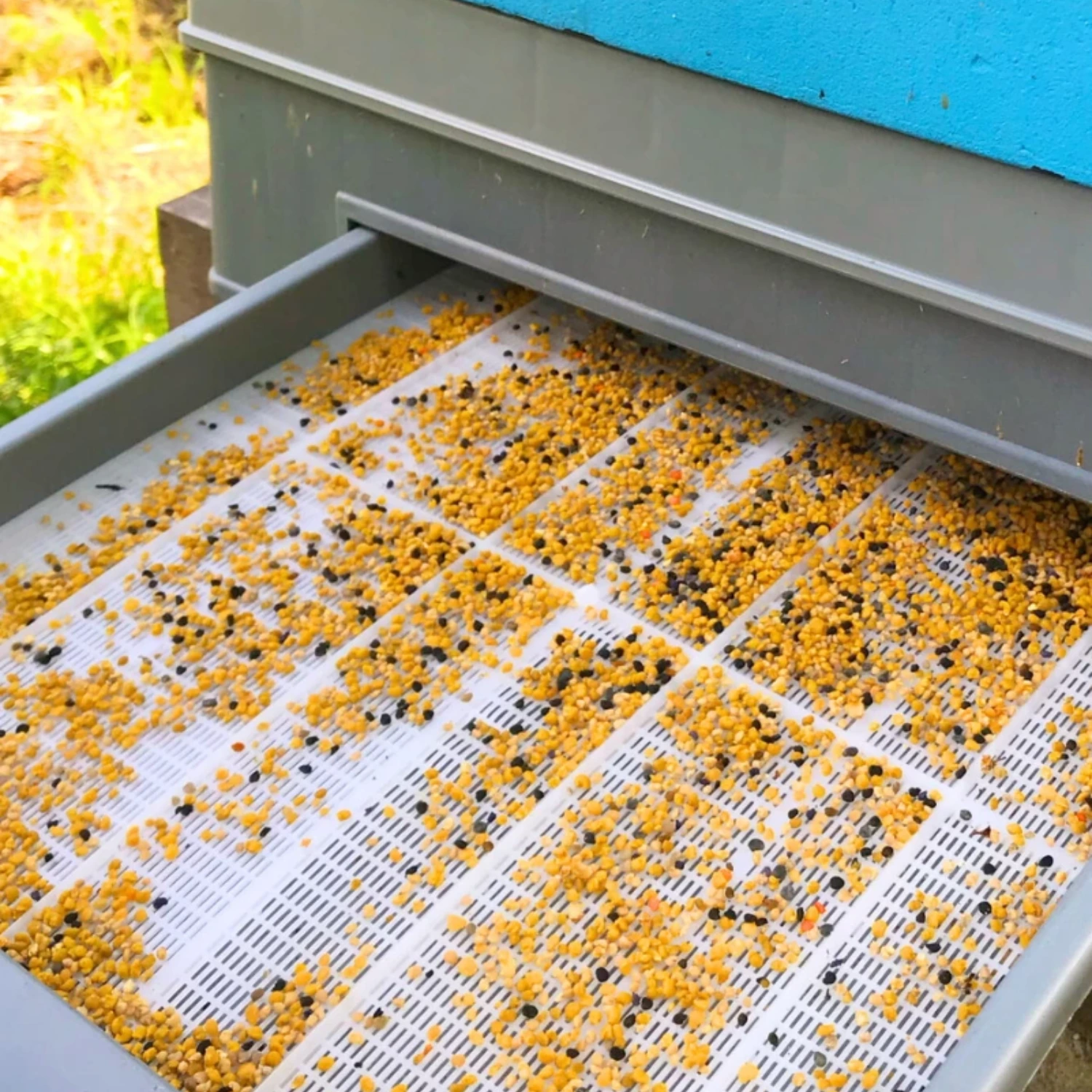
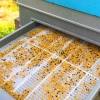
Flower pollen, also known as bee pollen or pollen loads, is one of the most valuable products obtained from the hive. Bees gather it from the flowers of plants and trees in bloom, mix it with a small amount of their saliva or with nectar, and then carry it to the hive in the form of small balls on their legs. On entering the hive, the bee passes through a so-called pollen trap, where the pollen loads are knocked off onto a tray, from which the beekeeper then collects this treasure of the bees.
Flower pollen is not only a protein food prized by bees - bee pollen is a superfood rich in over 250 nutrients! Its composition includes vitamins, minerals, enzymes and flavonoids, as well as proteins and amino acids. Flower pollen displays health-promoting properties, it supports immunity and concentration and has a positive effect on the digestive system. It also has a regenerating effect after illness and physical exertion, and will be an ally in keeping skin and hair looking beautiful.
Flower pollen - properties:
- A broad health-promoting action, including antibacterial, antifungal, antioxidant, anti-inflammatory, chemopreventive, anti-cancer and anti-radiation effects.
- Stimulates the nervous system, thanks to a wealth of vitamins and nutrients, supports mental health, improves mood and concentration and reduces stress.
- Supports the digestive system - it supports the intestines and helps the liver remove toxins from the body.
- It has a regenerating effect thanks to a wealth of amino acids, vitamins, minerals and phenolic compounds, which strengthen immunity and help make up deficiencies, rebuild cells and speed up recovery.
- It benefits your looks through its regenerating, nourishing and moisturising properties – it improves the condition of the skin and hair and makes a great addition to homemade cosmetics.

Flower pollen - what is it?
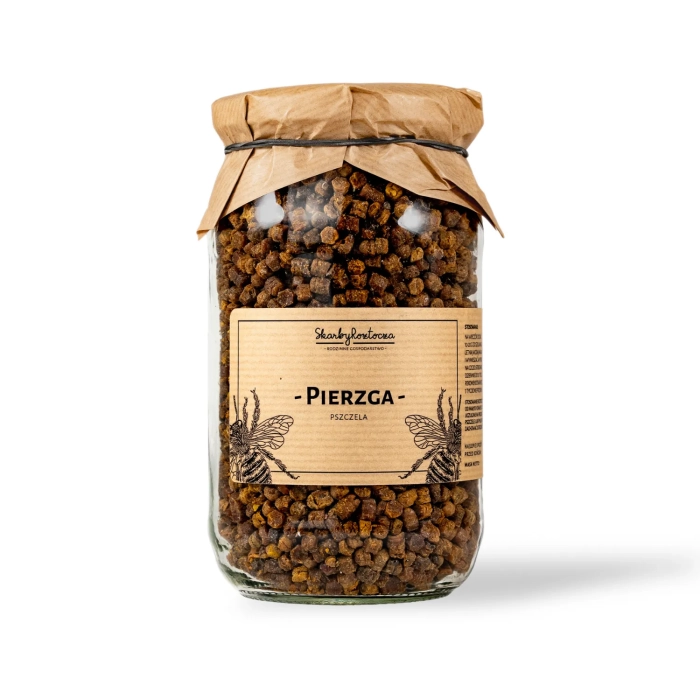
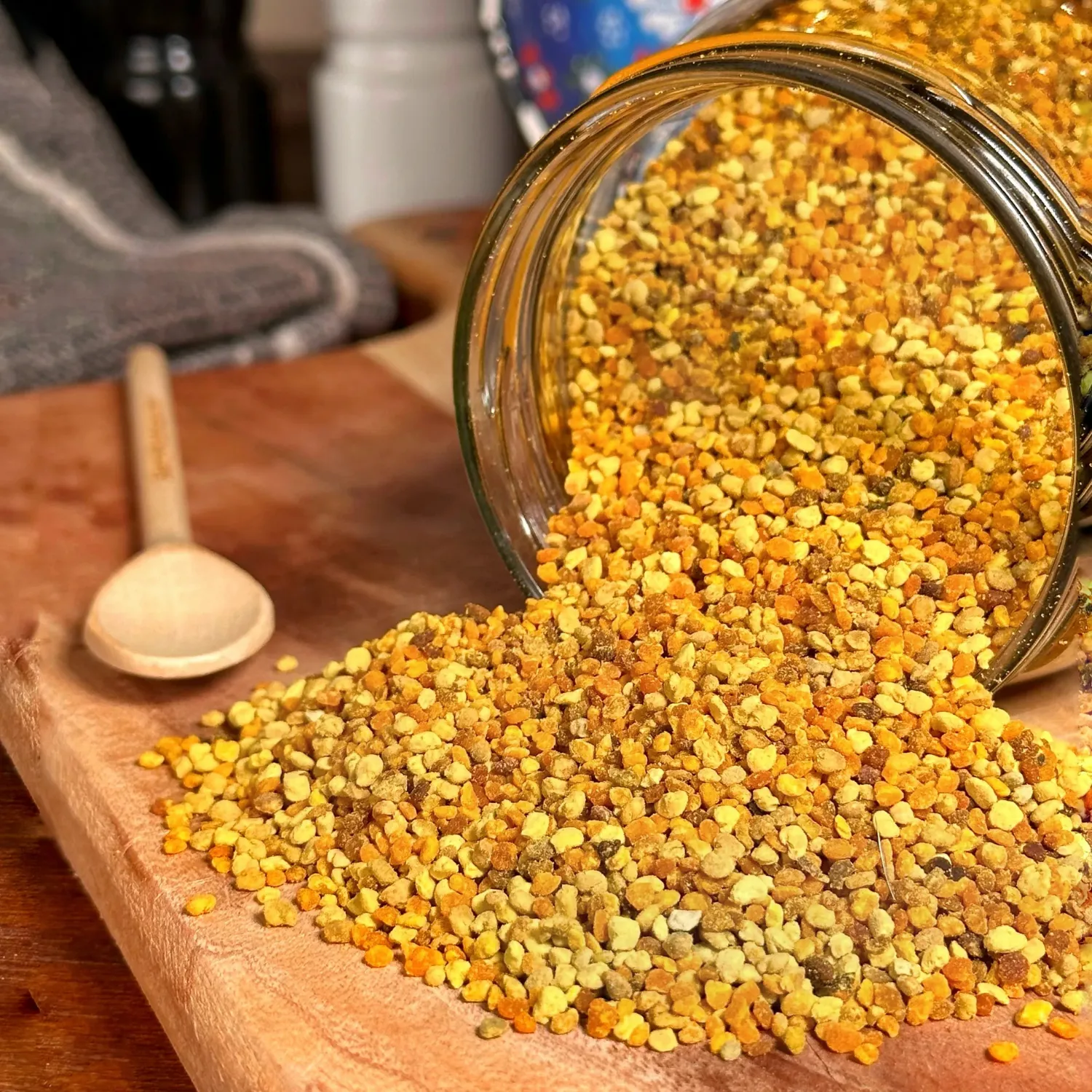
Flower pollen is also known as bee pollen or pollen loads. It is gathered by forager bees from the flowers of plants and trees in bloom. Having landed on a flower, the bee moves around it so that particles of pollen cling to its hairy body. Once covered in pollen, the bee uses special hairs and combs on its legs to collect the pollen from its whole body and transfer it to the baskets located on its third pair of legs. While forming the little balls of pollen, the bee simultaneously adds its own saliva, together with enzymes, and the nectar it has gathered. The aim is to increase stickiness and to shape the pollen load. On entering the hive, the bee passes through a so-called pollen trap, where the pollen loads are knocked off onto a tray, from which the beekeeper then collects this treasure of the bees.Depending on which plant the flower pollen comes from, there will be differences in its colour, taste, hardness and even in the structure of the grain itself. The colour of bee pollen is mainly yellow and stays within shades of that hue. Darker pollens may also occur naturally, such as blue phacelia, dark gooseberry pollen grains or black poppy pollen loads. Colour often also affects flavour. Spring pollens tend to be soft, light and sweet in taste, whereas later in the season they take on many colours and their grains tend to be darker, harder and slightly bitter. It is precisely this biological diversity that guarantees a wealth of so many beneficial micro- and macroelements.
Flower pollen - harvesting:
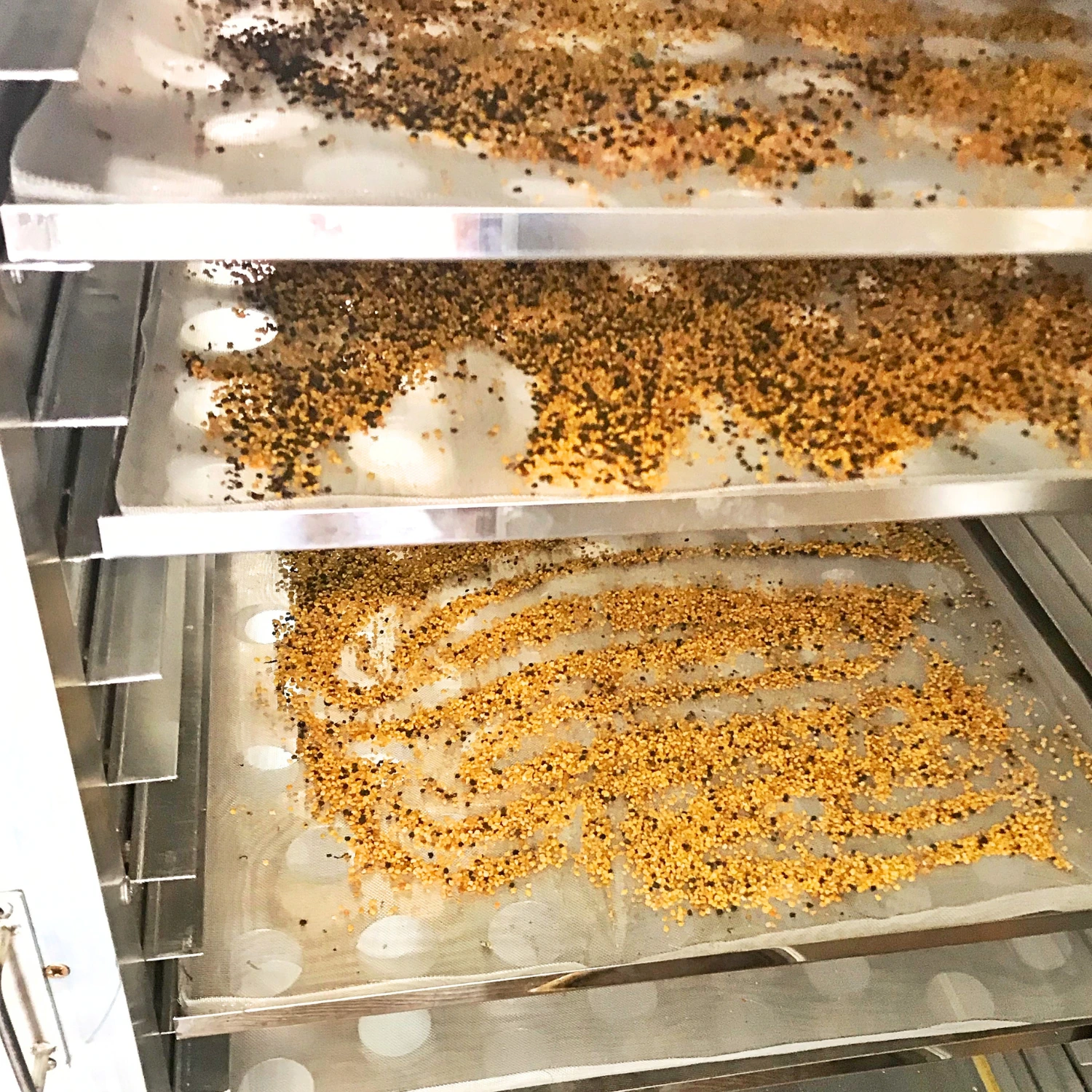
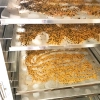
Fresh pollen, once collected from the trap tray, contains about 35% water, so in order to protect it against mould and the growth of bacteria or fungi, the excess water must be removed by drying at a temperature of up to 37°C, which simulates the conditions in the hive nest. The process takes about 3-4 days, until a water content of at least 6% is reached.
The next step is cleaning the pollen. Pollen naturally contains small impurities from the hive such as wax, parts of fallen bees or small fragments of grass, which is why we carefully it is sieved through screens and winnowed, in order to obtain the purest possible raw material.
The final stage is a 2-3 day deep-freezing process at a temperature of -18°C, which is intended to act antibacterially and protect the pollen against microorganisms.
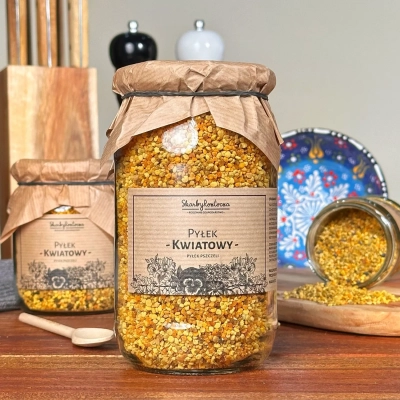
Flower pollen prepared in this way is tightly packed in glass jars, which protect it against absorbing moisture from the air and also form a barrier against microorganisms and other pests such as moths.
The processes of preparing flower pollen for sale described above, together with ensuring the right storage conditions, allow you to enjoy its precious properties for a long time and ensure the safety of the product.

Why choose Skarby Roztocza bee pollen?
- Polish Product - support Polish beekeeping and enjoy a guarantee of product safety.
- Botanically varied - multi-coloured pollen is a guarantee of a greater amount of micro- and macronutrients.
- Ready and convenient to consume - properly prepared for sale – dried, winnowed and deep-frozen.
- Glass packaging - ensures the safety of the product and preserves its high biological activity.
- Safe delivery - we have many years of experience in safely shipping glass products and we guarantee their safe delivery.
Flower pollen is a wealth of over 250 nutrients! Find out what flower pollen helps with.
Bee pollen has been found to contain over 250 different nutrients and of micro- and macroelements, thanks to which they can effectively support our body. Their main groups include:
-
Proteins and amino acids
Flower pollen is a rich source of complete protein, whose content may reach as much as 12%. As many as 32 amino acids (including all the essential exogenous amino acids that our body cannot produce on its own), which are key to, among other things, building and regenerating tissues, producing hormones and enzymes, and supporting the immune system through the production of antibodies, which directly affects the fight against infections. -
Vitamins
It is not without reason that bee pollen is called a natural multivitamin – its composition includes, among others:
- B vitamins (B1, B2, B3, B6, B12), which are essential for the proper functioning of the nervous system and for energy metabolism, and which also reduce the feeling of tiredness.
- Vitamin C, that is an antioxidant which strengthens immunity, protects cells against damage caused by free radicals and also supports collagen production, improving the condition of the skin.
- Vitamin A, which also has a positive effect on the condition of the skin and mucous membranes, and additionally affects eyesight, as its deficiency can lead to so-called “night blindness”.
- Vitamin E often colloquially called the “vitamin of youth”, because it protects cells against oxidative stress and slows down the ageing process.
- Other vitamins such as PP, P, D, H, folic acid and pantothenic acid, inositol and biotin. -
Minerals
Bee pollen is a real mine of minerals that are key to maintaining homeostasis in our body. It contains a rich set of macro- and microelements, including:
- Potassium and magnesium important for the proper working of the heart, the nervous system and the muscles.
- Phosphorus and calcium essential for the health of bones and teeth.
- Iron key to transporting oxygen around the body and to preventing anaemia.
- Selenium and zinc strong antioxidants supporting the immune system.
- Other elements, such as sodium, silicon, manganese, copper and iodine. -
Enzymes
As many as 42 enzymes, which are biologically active substances. The most important of them are amylase and invertase, which make digestive processes easier and faster. Thanks to them, the body can absorb nutrients from food more efficiently. -
Flavonoids
These natural plant compounds have strong antioxidant, anti-inflammatory and antimicrobial effects. They protect cells against damage caused by free radicals, which helps prevent many lifestyle diseases such as atherosclerosis, diabetes and cancer. -
Unsaturated fatty acids
Flower pollen contains lipids and 12 fatty acids, including the health-critical Omega-3 and Omega-6 acids. They are essential for the proper functioning of the brain, the nervous system and the cardiovascular system. They also help maintain healthy skin and hair.
Thanks to such a rich composition, pollen displays a range of health-promoting properties. It strengthens the immune system and has antibacterial, antifungal, antioxidant and anti-inflammatory effects.
Bee pollen finds a use in preventing many lifestyle diseases, thanks to its chemopreventive, anti-cancer and anti-radiation properties. Flower pollen provides excellent support in regenerating the body after illness and physical or mental exertion, and it also has a positive effect on the work of the intestines and supports the liver in removing toxins from the body. It affects not only the body, by improving the condition of the skin and hair, but also the soul, through its calming action.
Bee pollen - how to use it?
Flower pollen is not an easily absorbed product for our body. Flower pollen grains have a natural two-layer protective coating. The inner layer, called the intine, is made of cellulose, while the outer layer – called the exine – is saturated with sporopollenin. This substance gives the wall its hardness and protects it from spoiling. That exine is not broken down even by the concentrated hydrochloric acid contained in gastric juice, which is why it is important to prepare pollen properly before eating it. Here are the most popular ways of using pollen, supported by the literature on apitherapy:
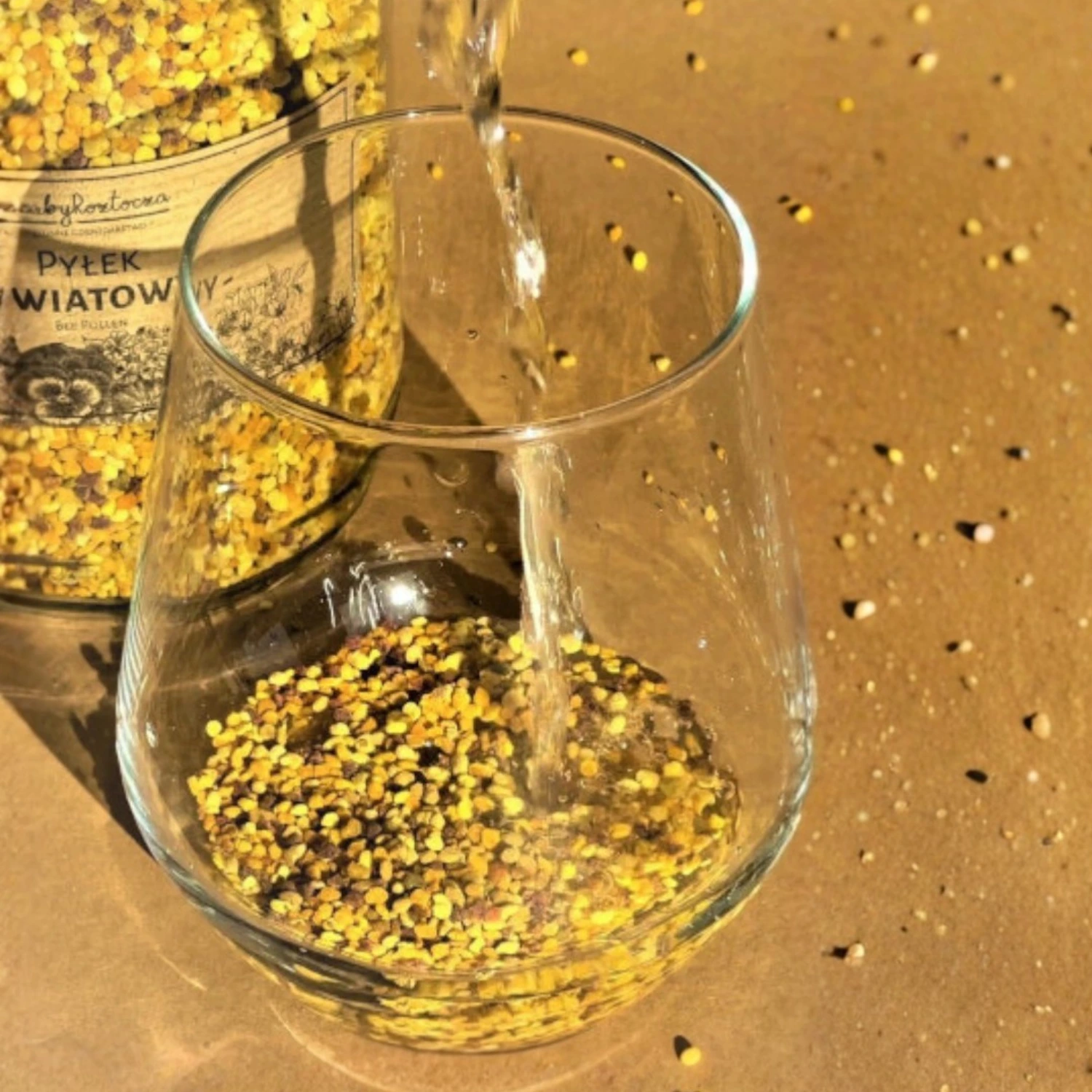
METHOD 1. A water solution is the most popular and the best way of taking flower pollen. It is recommended by the father of apitherapy in Poland – Prof. R. Czarnecki – and according to the research he carried out, the absorption of bee products taken in this form increases as much as 8-10 fold!
- In the evening, add 2-4 teaspoons of bee pollen (20-40 g) to a glass.
- Pour lukewarm, boiled but not hot water over the pollen (max. 40°C). To improve the flavour and to enhance the action of the bee products, you can also add a teaspoon of honey (preferably honeydew honey).
- Leave the solution overnight (approx. 6-10 hours).
- Consume in the morning on an empty stomach.
Take it daily for a period of 8 to 12 weeks. After that time, a break of at least 3 weeks is recommended for optimal results. If the pollen has not dissolved completely, that is no problem. These may be insoluble parts of the grains and they can safely be eaten, as they are entirely natural.


METHOD 3. Adding it to honey of flower pollen not only masks its distinctive taste, but – because of its varied content of organic acids – honey has an acidic reaction, which may help break down the coating of the flower pollen and increase the absorption of this bee product in our digestive tract.
It is also worth considering grinding the pollen in a burr grinder or a mortar, which will open the coating described above and give access to the precious properties locked inside. This increases the bioavailability of the pollen and shortens the time needed for it to dissolve. Bear in mind the rule that bee products should not be exposed to temperatures above 40°C, which may be generated during mechanical grinding.
Bee pollen for children - how to use it?
Bee pollen can be given to children from the age of 3, but before the first use you should check whether the child has any allergic reactions to bee products or to the flower pollen that forms an integral part of it. Give a small amount (e.g. a few grains) directly or in the form of a water solution. We always recommend consulting a paediatrician before adding such a product to a child’s diet. The recommended daily dose for a child aged 3-5 is 10 g, for children aged 6-12 a portion of 15 g, while from the age of 12 the adult dose may be used, that is from 20 to 40 grams depending on whether it is taken preventively or as a treatment. Pollen is best given in the form of a water solution – it is worth adding a teaspoon of honey to improve the taste of the mixture.
Bee pollen during pregnancy
Flower pollen is very much a product that can be taken during pregnancy. Bee pollen will not only enrich the diet but will also contribute to the proper development of the child. It is a rich source of vitamins and minerals that support the immunity of mothers-to-be and their little ones. In the case of coexisting conditions or complications during pregnancy, introducing bee bread should be discussed with the doctor in charge.


Pollen and bee bread – what is the difference?
Flower pollen is an integral part of bee bread, but it is less well absorbed and slightly poorer in composition. Flower pollen is taken from the bees at the stage when they are entering the hive. If we let the bees carry the pollen loads into the waxen combs, they enrich them with nectar and royal jelly and preserve and enhance them through lactic fermentation, creating bee bread. Flower pollen has a natural coating, which makes it a far less absorbable product than bee bread. Pollen, however, has its own advantages: it contains no trace amounts of beeswax, it is finer and it is even several times cheaper than bee bread. Yet once good practices for consuming bee pollen are applied, its absorption and composition will not differ greatly from the version improved by the bees, that is bee bread.Bee pollen - contraindications and side effects
Remember! Bee pollen, like any other bee product, can cause allergies. We recommend caution in the case of people suffering from allergies to plant pollens and bee products. It is always worth consulting a doctor to establish the details of a treatment using bee products.
Before using it for the first time, check whether you have an allergic reaction to bee products or to the flower pollen that forms an integral part of it. Take a small amount (e.g. 1 gram) directly or in the form of a water solution. If no adverse reactions occur, you can slowly increase the dose to the target daily portion. We always recommend consulting a doctor before adding such a product to your diet. Allergies to natural substances are relatively rare, but should they occur, stop using bee products immediately.
The potential side effects of consuming pollen include a runny nose, skin hives, a persistent headache, nausea and diarrhoea. Flower pollens are an integral part of bee pollen, which is why people allergic to the pollen of flowers, grasses and trees should also take particular care when consuming it. Should the above symptoms occur, discontinue this product and consult a doctor.
Name: bee flower pollen
Ingredients: 100% bee flower pollen
Aroma: meadow-like, floral, honey-floral
Taste: bittersweet, sometimes tart
Storage: in a sealed container, in a dry and shaded place (temp. 8-18°C)
Net weight: 250 g
Year: 2026
Best before end of: 2 years, date marked on the packaging
Country of origin: Poland
Bibliography / Sources: (click to expand)
- Laskowska Emilia, Borawska Maria, Socha Katarzyna: Health properties of bee bread and bee flower pollen, Bromatologia i Chemia Toksykologiczna, vol. 54, no. 2, 2021, pp. 105-118, DOI:10.32383/bct/154805
- Trzybiński S. Everything about pollen and its harvesting. Bee bread – important and underappreciated. Pasieka 2012; 7
- Journal - Pasieka 5/2023 / Bee pollen – an attractive product for the modern consumer
- Mroczek JR. Medicinal and nutritional properties of bee products. Wiadomości Zielarskie 2002; 9: 11–12
- Kurek-Górecka, R. Balwierz, Z. Dzierżewicz: Dietary aspects of the use of bee pollen, BROMATOLOGIA I CHEMIA TOKSYKOLOGICZNA, VOL. L, 2017, no. 3, 191-197
- Ciborowska H., Rudnicka A.: Dietetics – nutrition of the healthy and the sick. Warsaw, Wydawnictwo Lekarskie PZWL 2014: 30-90
- Audisio MC, Terzolo HR, Apella MC. Bacteriocin from honeybee beebread Entercoccus avium, active against Listeria monocytogenes. Appl Environ Microbiol. 2005; 71: 3373–3375
- Kędzia, B., Hołderna-Kędzia, E. (2015). Biological and medicinal properties of bee bread. Postępy Fitoterapii, 16(1), 31-35.
- YouTube - lecture by Prof. Czarnecki ( https://youtu.be/YPKWOCudnUs?si=NkaKvOxTEjz7dPP9 )
- YouTube - lecture by Prof. Czarnecki ( https://youtu.be/pGD7z8BJ75g?si=vn7-y0AF3pWGm9Gr )
- Polish Standard PN-R-78893 „Pollen loads” [1996].
- Bogdan Kędzia, Elżbieta Hołderna-Kędzia - Bee bread. The most valuable bee product (published by Fundacja Pomocy Człowiekowi i Środowisku "HUMANA DIVINIS")
The description above has been prepared on the basis of the sources indicated: articles, books, journals, scientific sources, as well as our best knowledge and experience. In accordance with Regulation (EU) No 1169/2011 of the European Parliament and of the Council of 25 October 2011, and with all consumer requirements and regulations concerning food products, we do not attribute any particular medicinal properties to our products, nor do we suggest that they have such properties; we merely indicate the possible ways of using them, without any guarantee of effectiveness.
Reviews
If you've added a review and it doesn't appear on the list, it may be pending moderation.
Leave feedback on the product
International shipping
starting at just €9.
Discover thousands of positive reviews.
Choose wisely and
support local beekeeping.

Collect virtual bees
and exchange them for honey.
Choose our honeys
Peek into our sweet world and find out why customers choose our products.
Bestsellers
-
Price €12.50
-
Price €16.25
-
Price €16.25
-
Price €49.75
-
Price €12.50
-
Price €17.50
-
Price €16.25
-
Price €16.25
-
Price €22.50
-
Price €16.25
-
Price €16.25
-
Price €16.25
-
Price €30.00
-
Price €16.25